
Sim-Lab Speaker Mount Set
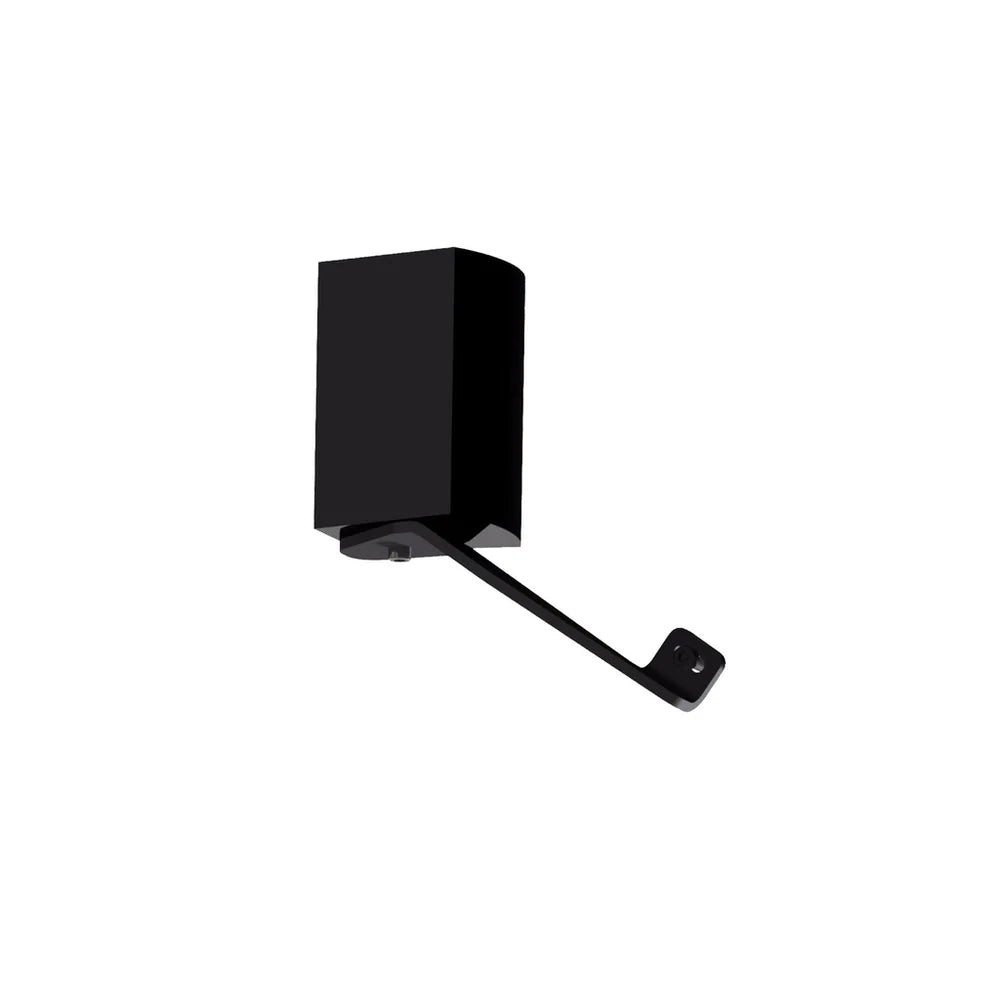
The Sim-Lab speaker mount set places two speakers directly on the cockpit profile, with one bracket for the left side and one for the right. It is intended for speakers with an M6 mounting hole and aluminium-profile structures such as 8020. This arrangement keeps both audio channels beside the simulator without needing additional floor-standing speaker supports.
Sim-Lab Adjustable Button-Box Mount
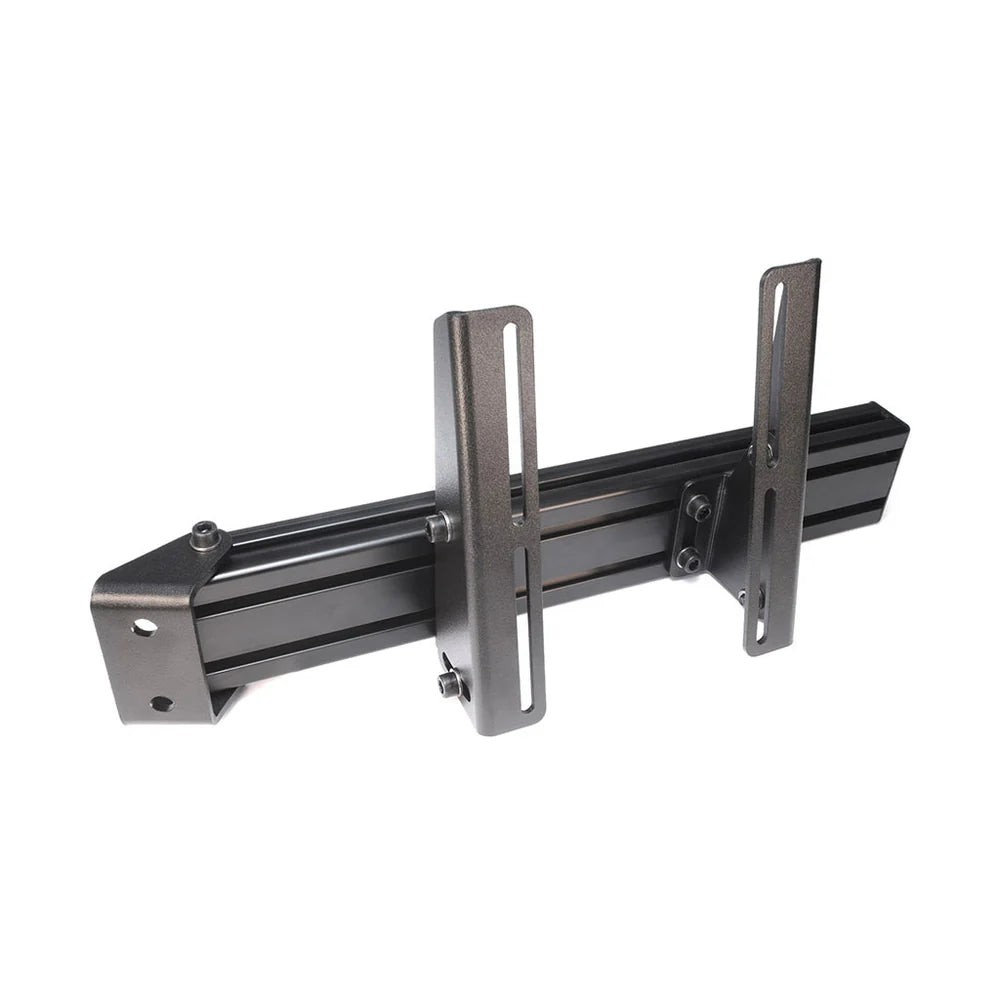
This mount positions a separate button box using lateral adjustment, rotation and tilt. The central profile changes the sideways location, while the head sets the control surface angle. Self-tapping screws are included for boxes without mounting holes. The button box itself is sold separately rather than forming part of the mounting kit.
Sim-Lab Lockable Castor Set
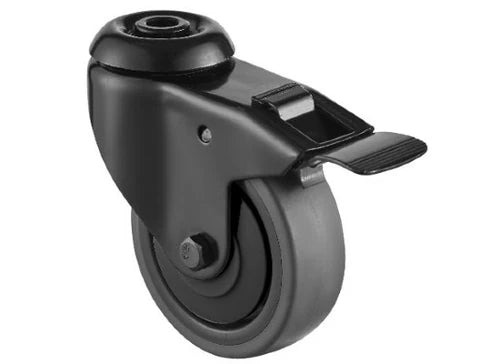
Move a compatible cockpit on four industrial castors, each rated at 40 kg for a stated total capacity of 160 kg. The 50 mm wheels combine polypropylene centres, polyurethane treads and steel housings. Each castor has a brake for positioning. Check the combined rig, equipment and user load together with the required mounting fixings.
Sim-Lab Cable Clips, Set of Ten
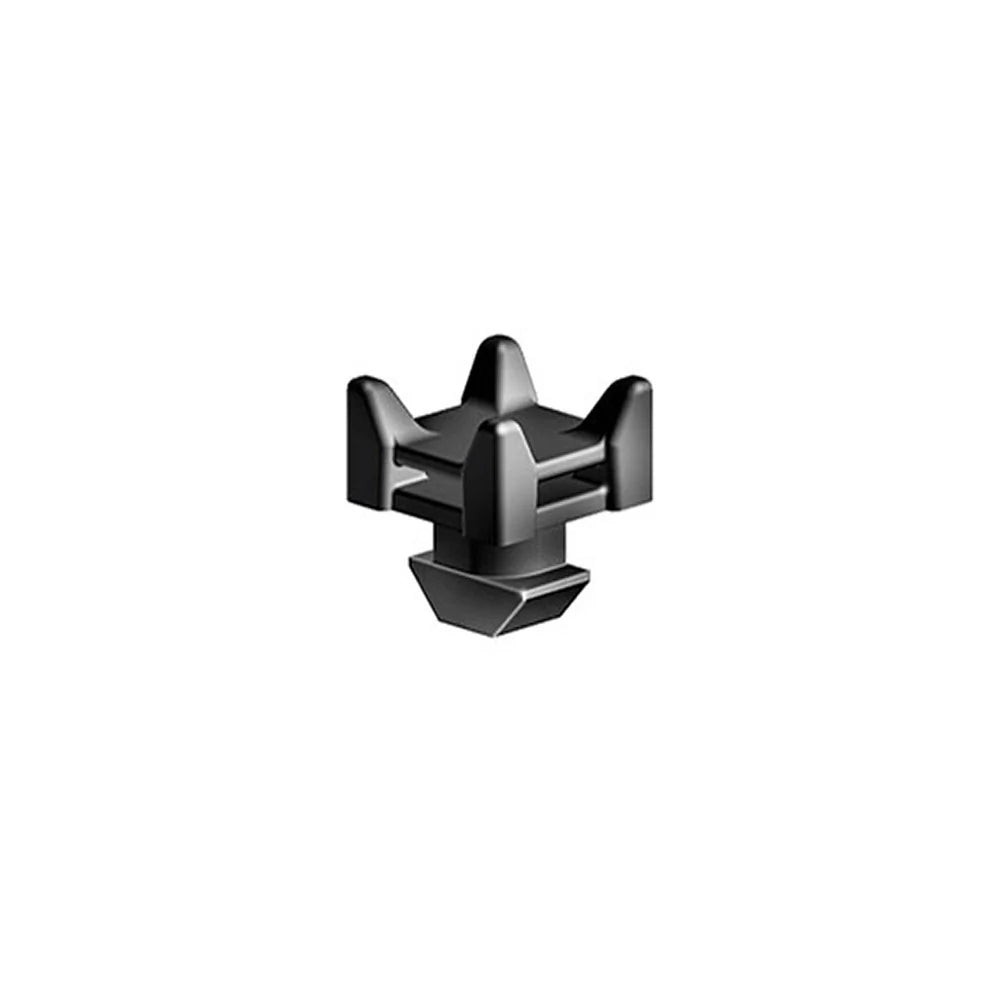
These ten clips provide cable-tie attachment points along aluminium profiles with 8 mm T-slots. Each clip inserts directly into the slot so wiring can be routed around the cockpit structure. Cable ties are not included and must be supplied separately; the clips are specific to the documented 8 mm slot rather than every aluminium-profile system.
Sim-Lab Shifter and Handbrake Bracket
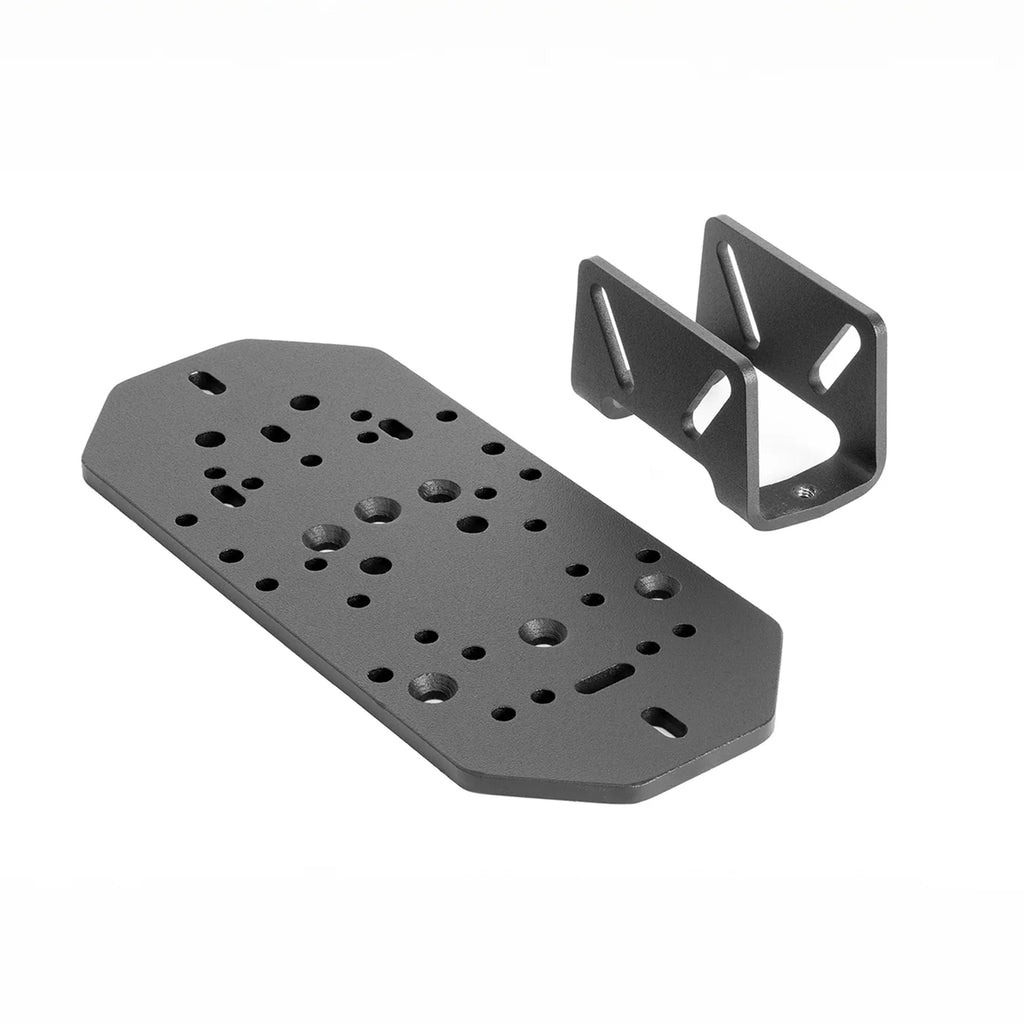
This aluminium Sim-Lab plate supports a shifter and handbrake on a cockpit built with compatible 40 mm aluminium profiles. Both peripherals can be installed together, or the plate can be used for just one control. It provides the mounting surface rather than the driving controls themselves: the shifter and handbrake are purchased separately to complete the installation.
Sim-Lab Aluminium Mouse Tray
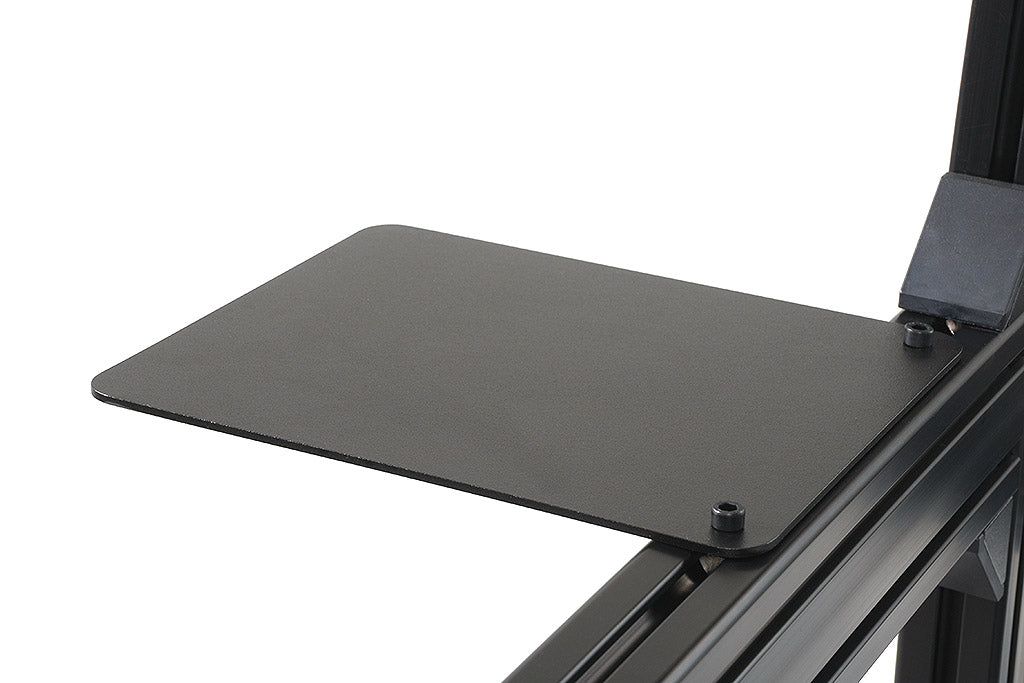
This aluminium tray provides a dedicated mouse surface attached directly to a suitable cockpit profile. It measures 240×200 mm with a thickness of 3 mm, and the black RAL 9005 finish matches common simulator frames. The accessory is purely mechanical, requiring no power or platform connection while keeping the mouse accessible beside the driver.
Sim-Lab Adjustable Keyboard Tray
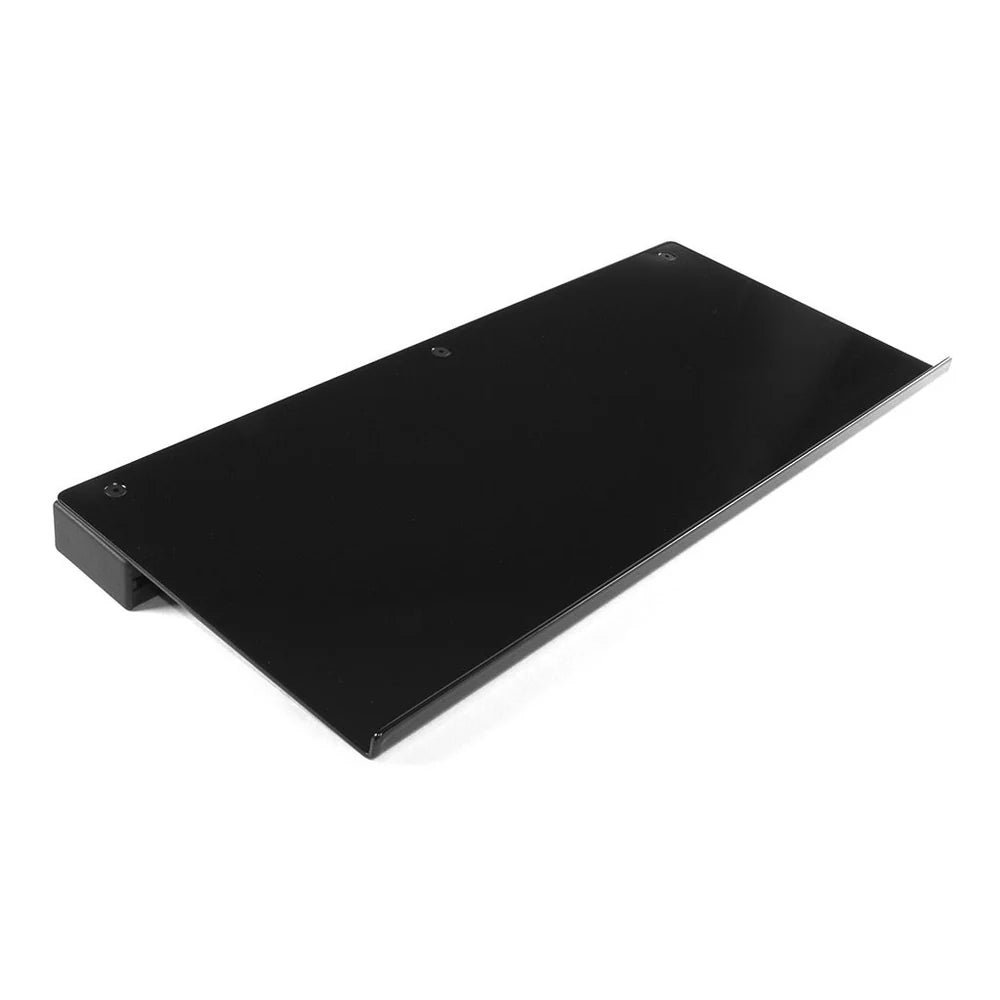
This aluminium tray mounts beside an aluminium-profile cockpit and swivels the keyboard into reach when needed. Both rotation and tilt are adjustable, allowing it to move away during driving. The same parts support left- or right-side installation, so the tray can suit the preferred access side without purchasing a different version.
Sim-Lab GRID LED Brows RGB Telemetry Modules
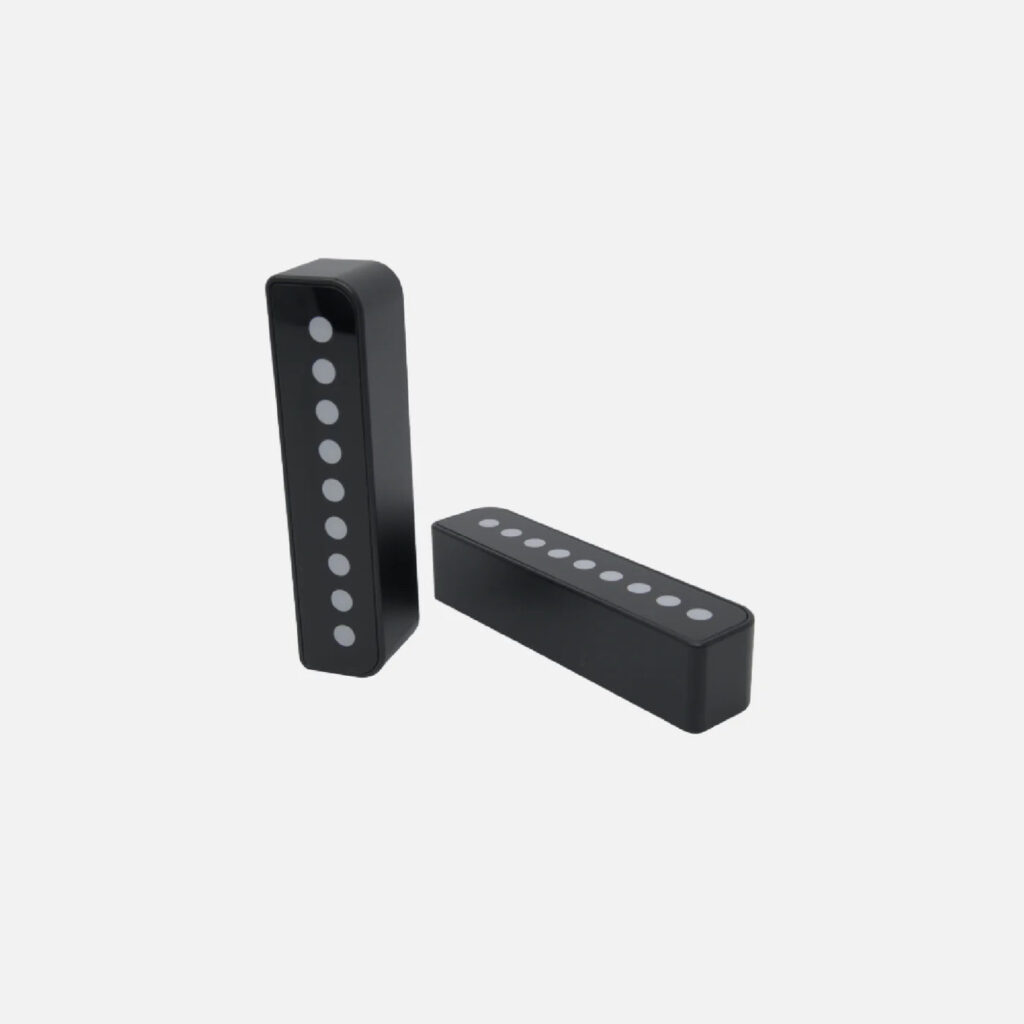
GRID LED Brows turns simulator telemetry into configurable light signals through two modules containing nine RGB LEDs each. SimHub profiles assign colours and events for RPM, flags, spotter information, temperatures, fuel or wheel lock. The modules use CFRP and borosilicate glass; this telemetry accessory does not support consoles and depends on the compatible software setup.
Sim-Lab Fourth-Monitor Extension
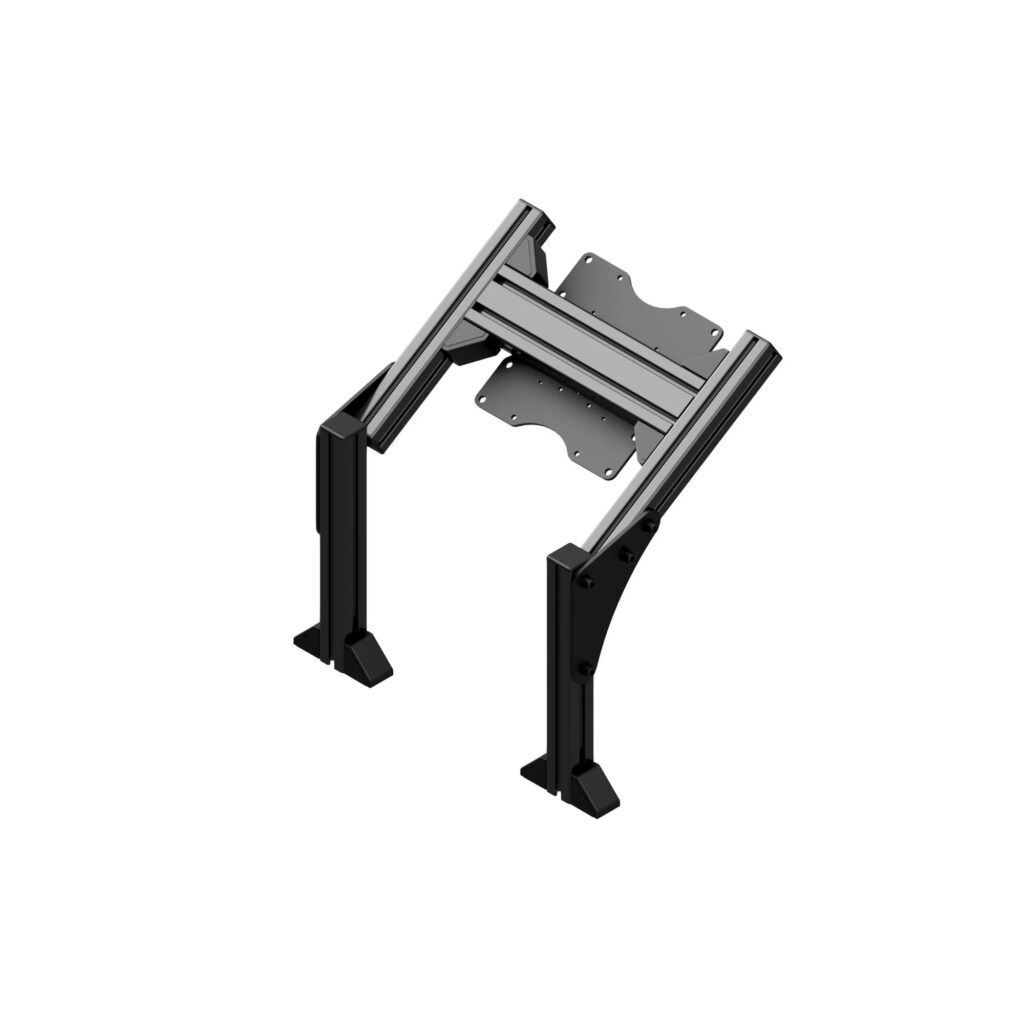
Add an upper display above a compatible triple-monitor stand with this aluminium extension. It provides a place for telemetry, streaming tools or control software outside the main three-screen view. An appropriate existing monitor support is required, and the monitor is purchased separately; check the display load and fastening arrangement for the chosen stand version.
Sim-Lab VARIO VESA Adapter Kit
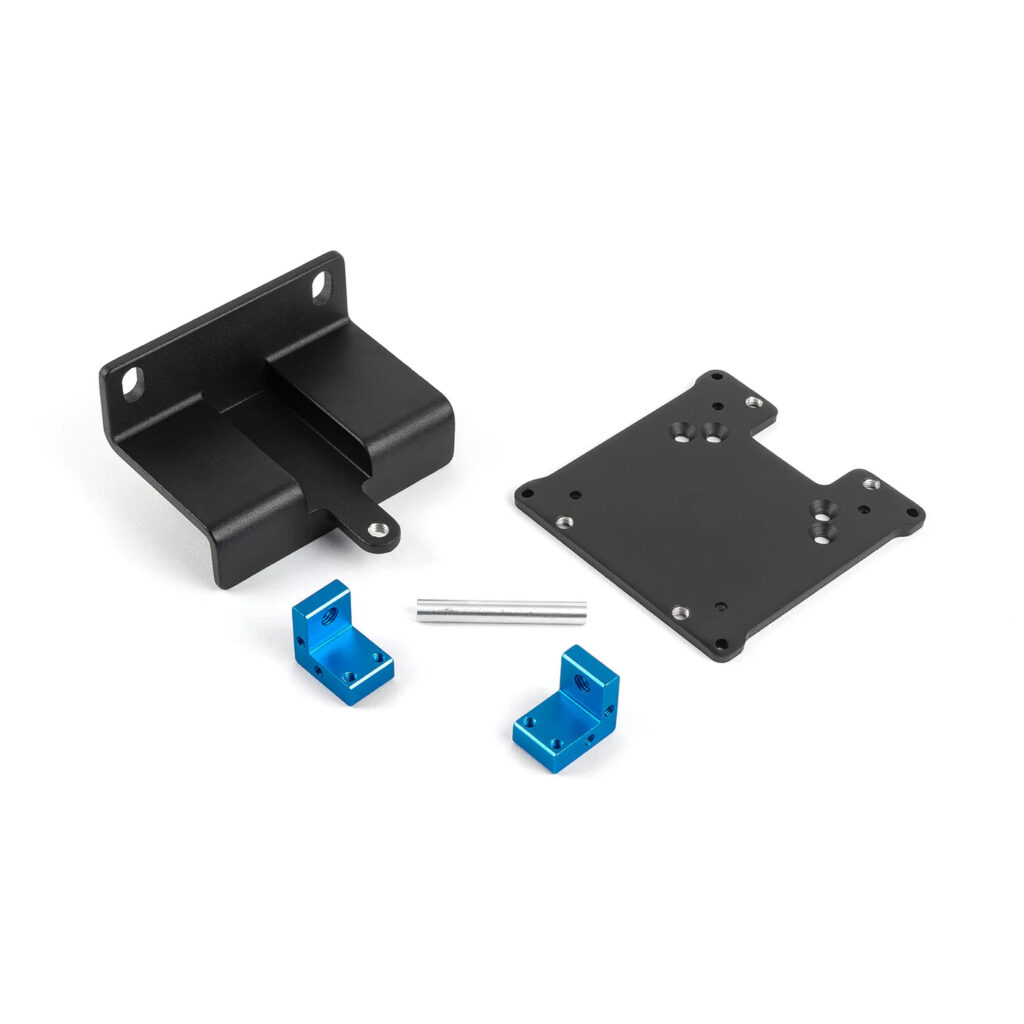
The VARIO adapter provides fine adjustment of monitor height, tilt and position across two rotational and translational planes. It is offered as one adapter for a single screen or three adapters for a triple setup. The system helps align individual displays within a suitable support; the underlying stand and monitors are purchased separately.
Sim-Lab Adjustable DDU Mount
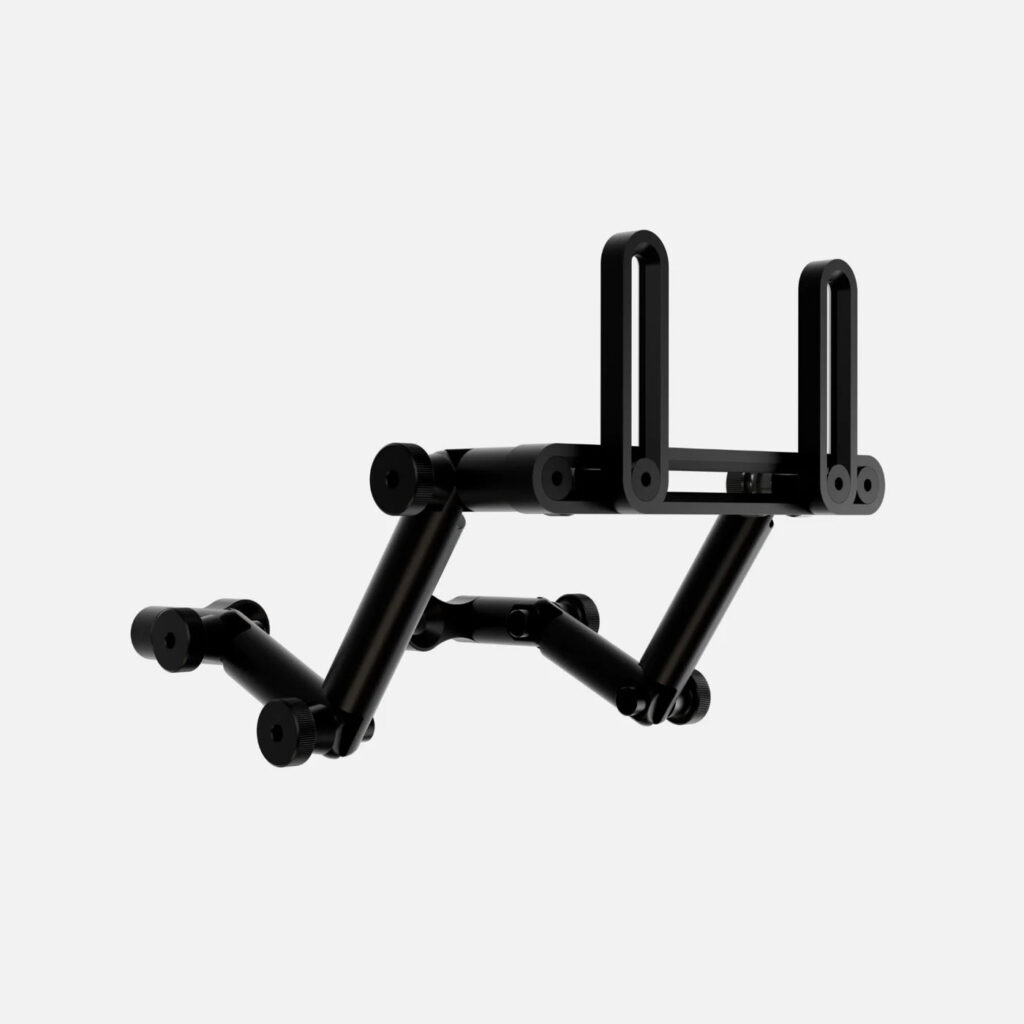
This support positions a separate DDU display at an adjustable depth between 71 and 201 mm. Extensions and mounting hardware are included to adapt the screen position relative to the steering wheel. The source identifies it as suitable for motion rigs. The DDU screen itself is not included and must be selected separately.
Sim-Lab Freestanding Vario Monitor Stand
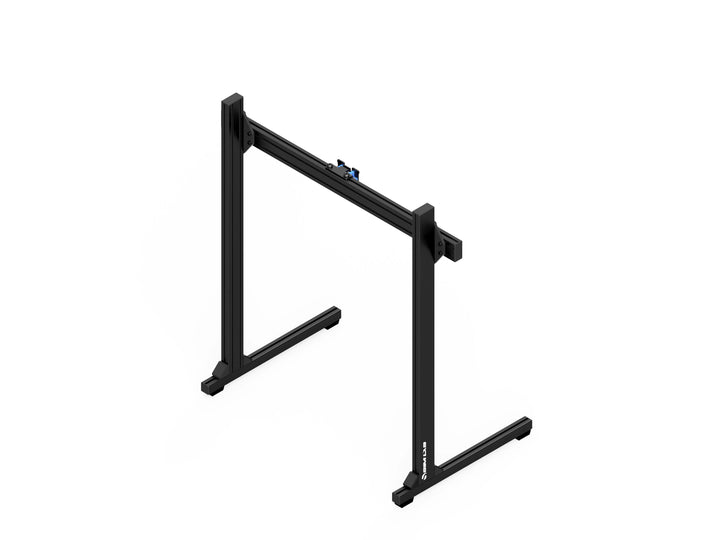
The Freestanding Vario places a single monitor on its own aluminium structure, independent of the cockpit. Separating the screen from the chassis reduces the transmission of cockpit vibration and provides more freedom when positioning larger or heavier displays. Position, tilt and angle adjustments help align the screen with the wheel and the driver’s seated viewpoint.
Sim-Lab Push-Pull Rally Shifter
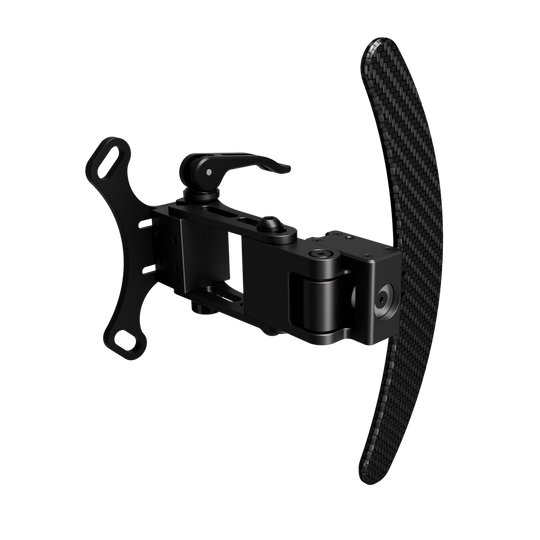
Change up and down with one large paddle positioned behind the steering wheel. This sequential push/pull design uses a 5 mm carbon-fibre paddle and CNC aluminium base, recreating a rally-style control action. Pushing and pulling provide the two shift directions while keeping the hands near the rim; verify mounting clearance with the selected wheel and base.
Sim-Lab Integrated Vario Monitor Mount
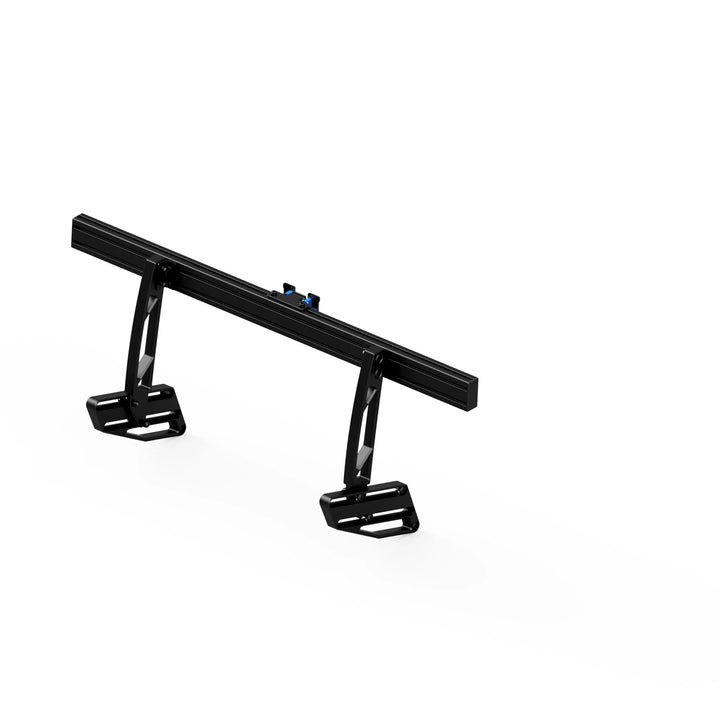
The Integrated Vario support attaches a single screen directly to the cockpit rather than using an external stand. Fine position, tilt and angle adjustments help align the display with the wheel. This creates a compact installation that moves with the chassis, although the direct connection can also transmit vibration from the rig to the monitor.
Sim-Lab GT1 Integrated Vario Monitor Mount
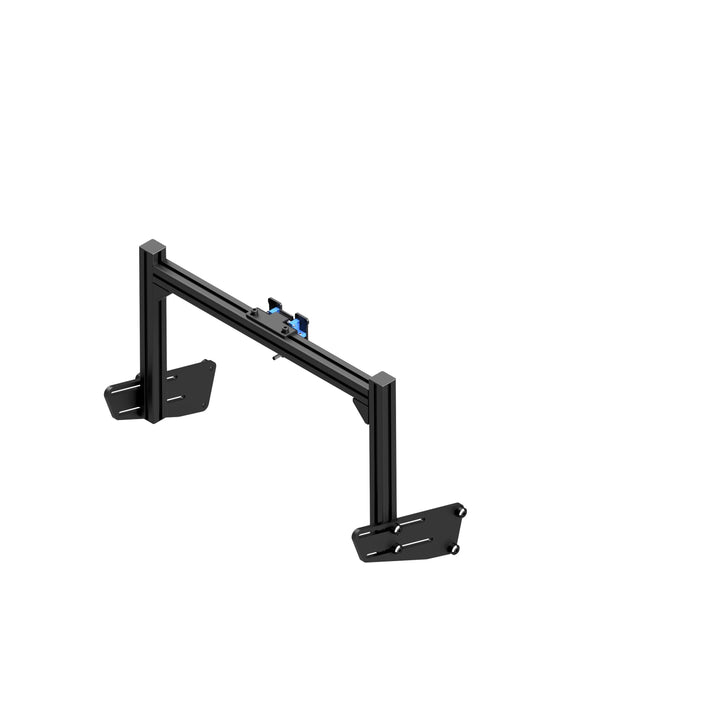
This support attaches one monitor directly to the cockpit, using the Vario-VESA system for precise display alignment. The integrated arrangement saves floor space and keeps the screen linked to the rig’s position. Because the support is mounted on the chassis, vibration can also reach the display, unlike an independent freestanding arrangement.
Sim-Lab Inverted Pedal Rack V2: Review and Price
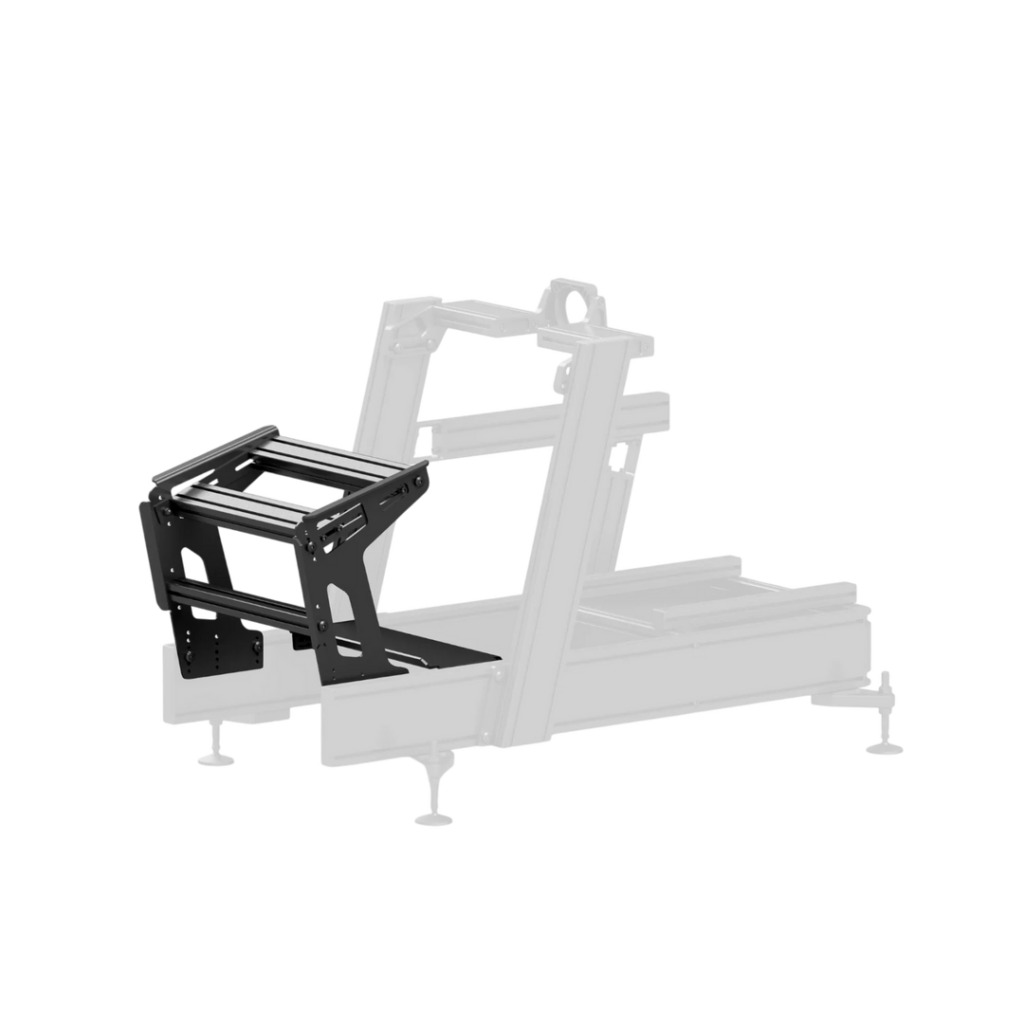
The Inverted Pedal Rack V2 moves the pedal pivot above the driver’s feet to reproduce the pedal movement found in many GT and road cars. Its adjustable structure offers a rigid mounting arrangement for an inverted pedal position. The changed pedal arc can alter how the driver modulates brake and clutch inputs, so the choice involves driving posture as well as appearance.
Sim-Lab Vario Integrated Triple-Monitor Mounts for P1X and GT1
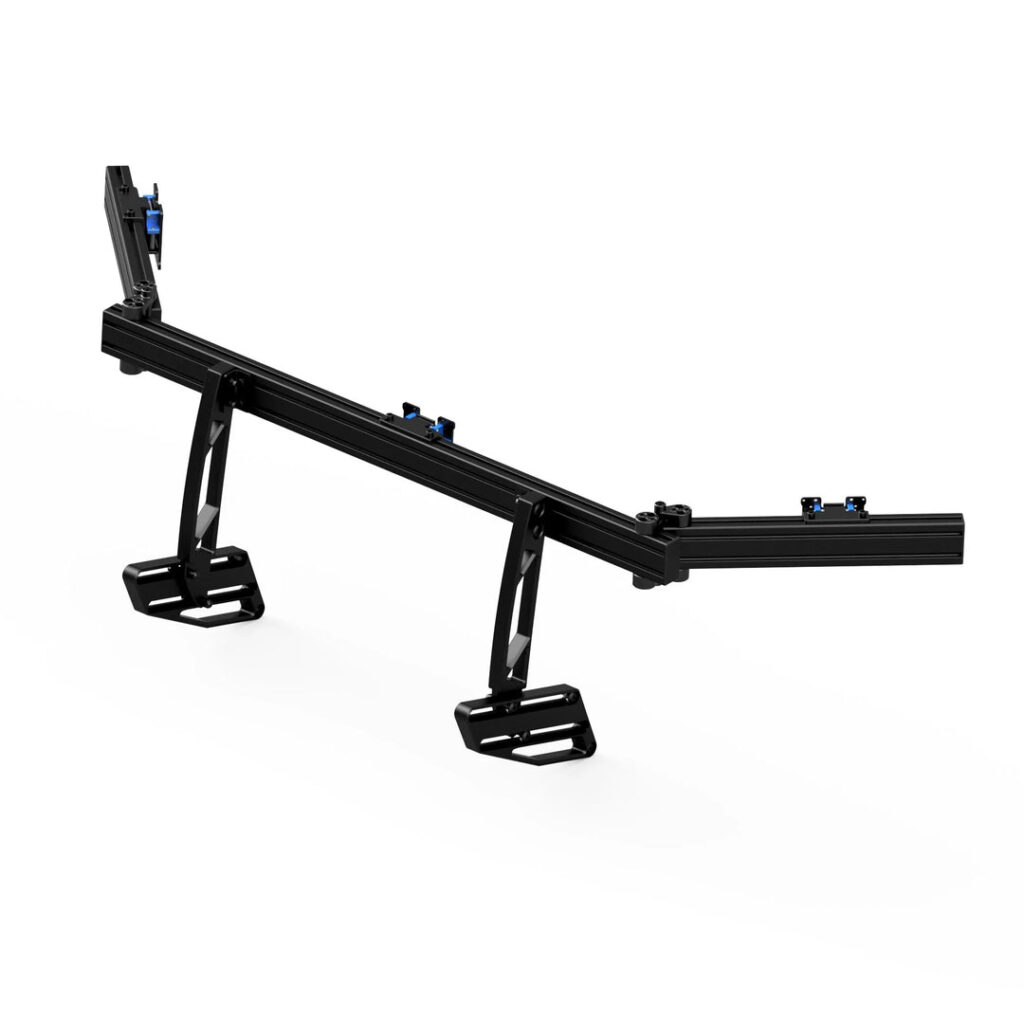
Choose the integrated Vario triple-monitor mount that matches the specific Sim-Lab chassis. The P1X and GT1 versions use different fixing geometries, so they are not interchangeable duplicates. Both documented arrangements use aluminium and VESA 75 × 75 or 100 × 100 mm mounts. Monitors are not included, and an integrated mount can receive cockpit vibration.
Sim-Lab XERO-PLAY V2 Quick Release
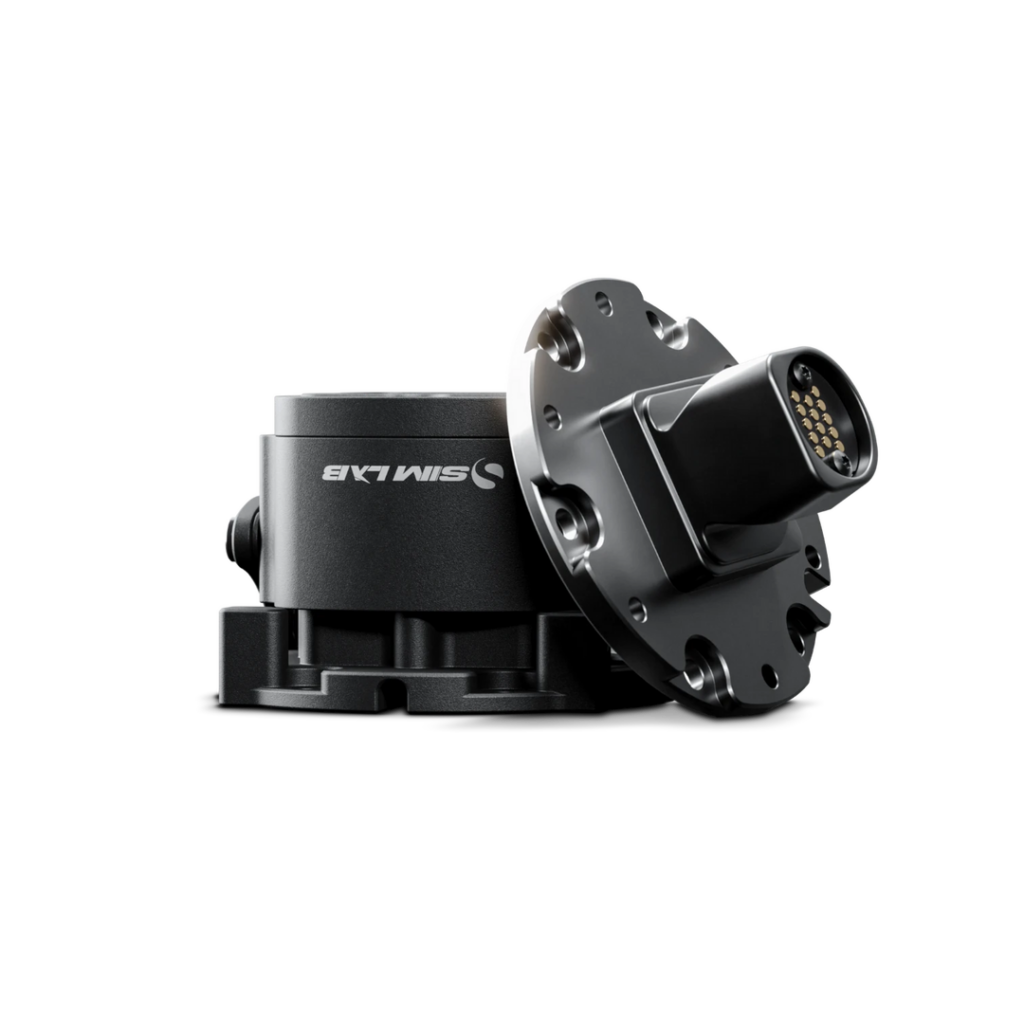
The XERO-PLAY V2 combines a push-to-lock mechanical attachment with integrated USB data transfer and a 70 mm mounting pattern. It natively supports Sim-Lab and Grid Engineering equipment, with an adapter for third-party USB wheels. Bases without data passthrough can instead use an independent USB-C connection, so electrical routing depends on the installation.
Sim-Lab Vario Freestanding Triple-Monitor Stand
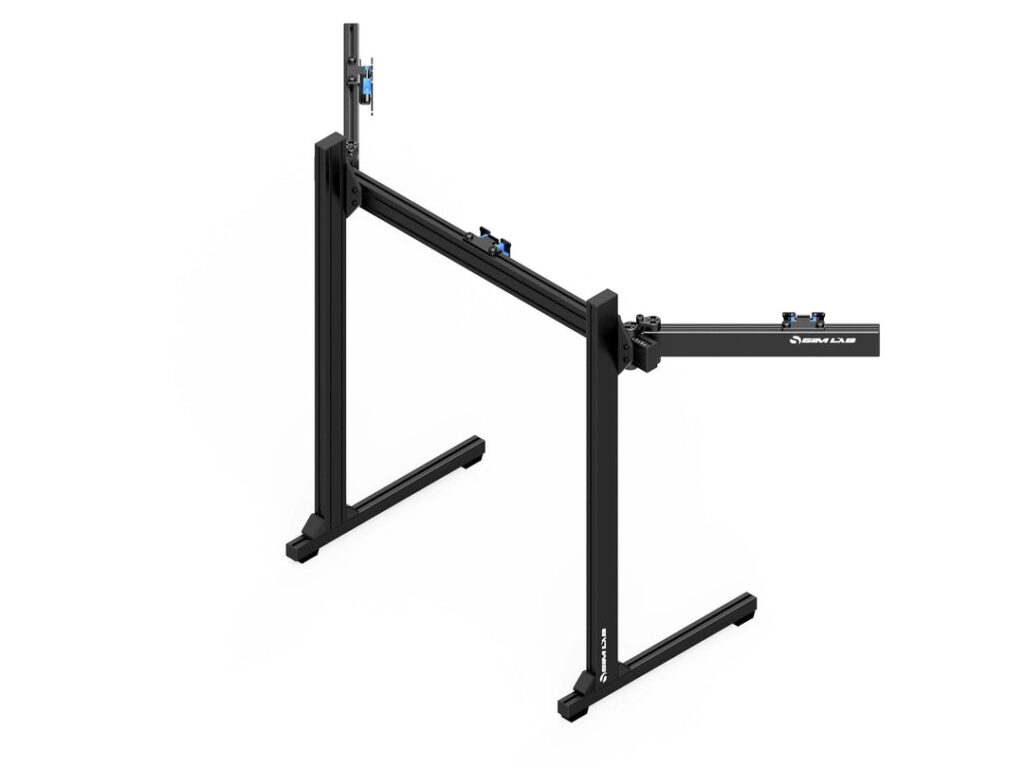
Position three displays independently of the cockpit with this Vario stand. Height, tilt and screen-angle adjustment help align the view while the separate structure reduces a direct mechanical link to cockpit vibration. It is intended for a dedicated installation; check the selected stand version, monitor dimensions, VESA requirements and available floor footprint before assembling the screens.
Sim-Lab Mercedes-AMG PETRONAS Formula Cockpit
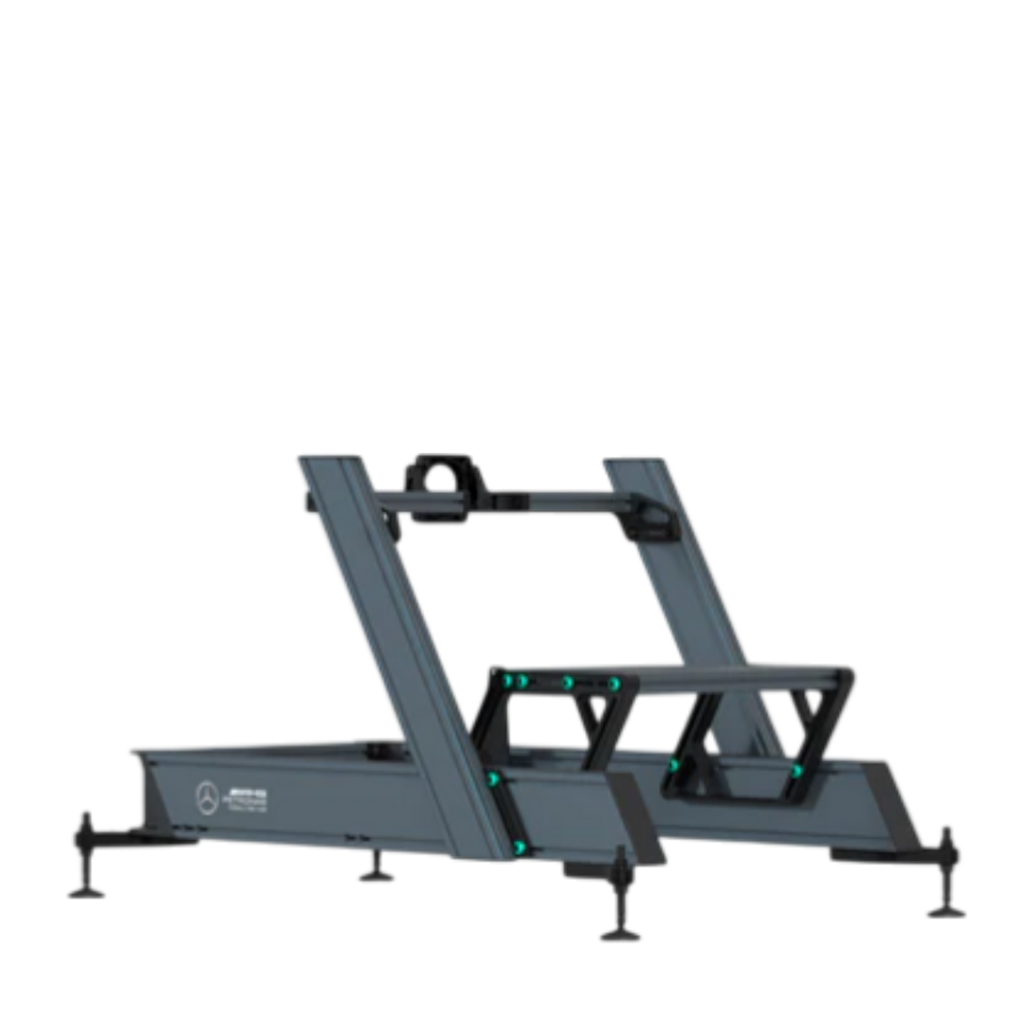
Developed with Mercedes-AMG PETRONAS, this cockpit uses a dedicated wide-profile aluminium chassis to reproduce a low Formula driving position. The source lists front, side and wheel-deck mounting arrangements, an adjustable pedal support and levelling feet. Its space-grey finish and official branding distinguish the structure from Sim-Lab’s conventional GT-position cockpit designs.
Sim-Lab Porsche 911 GT3 Cup 42-Input Button Panel
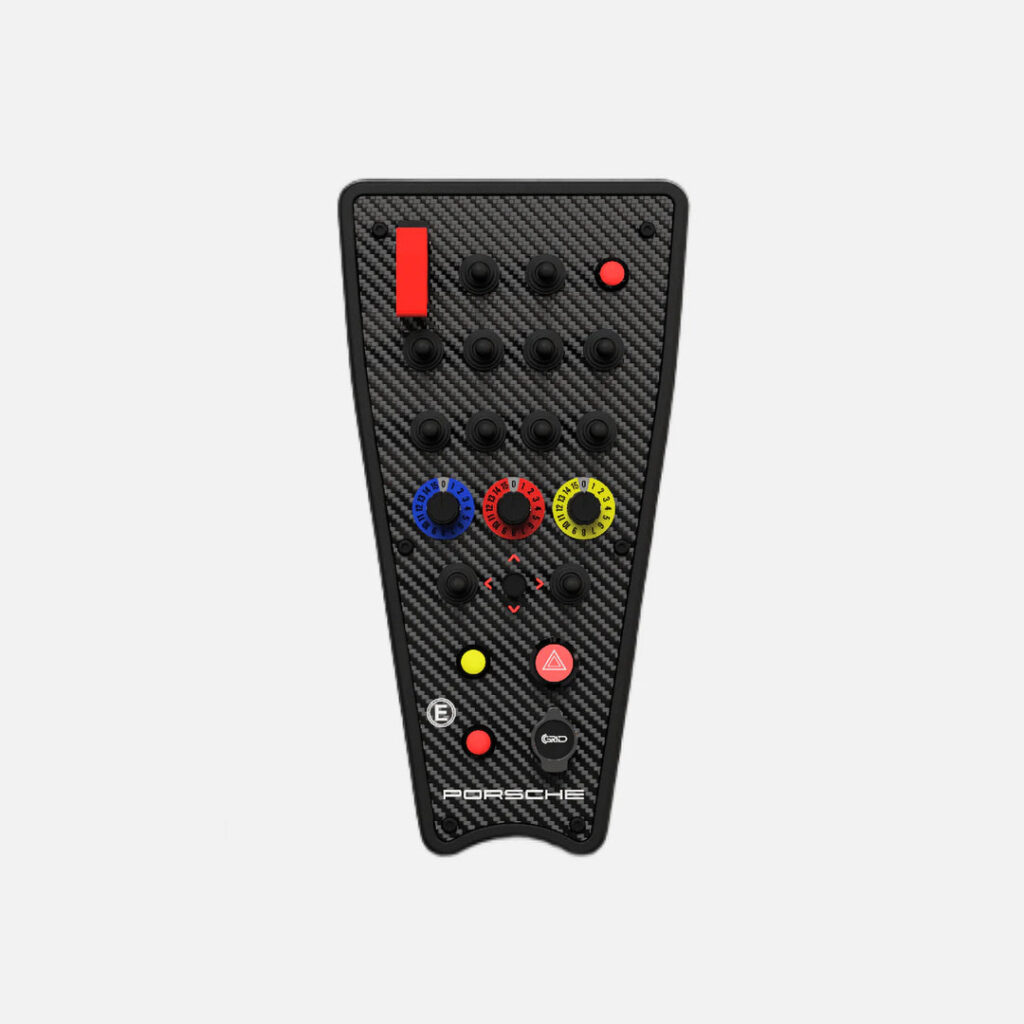
Inspired by the Porsche 911 GT3 Cup 991 console, this side button panel combines real carbon fibre with differentiated physical controls and 42 inputs. The listed controls include a backlit seven-way switch and a guarded ignition switch. It requires a compatible cockpit mount and is the control panel, rather than the separate Porsche telemetry dashboard.
Sim-Lab Porsche 911 GT3 Cup Dashboard
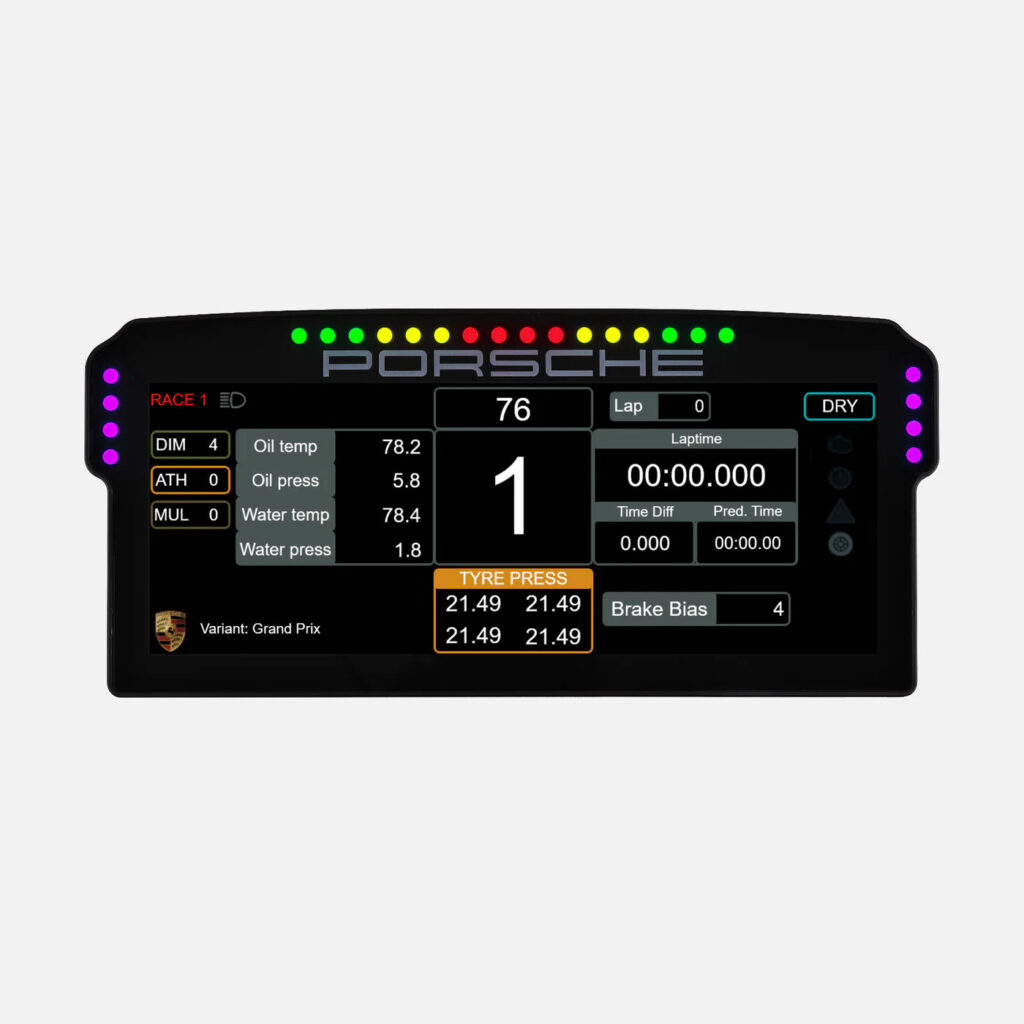
This replica Porsche 911 GT3 Cup instrument display uses an ultrawide LCD with 1920 × 720 resolution at 60 Hz. A housing machined from a single aluminium piece surrounds the screen. The wide format provides space for telemetry such as gear, RPM, lap timing, fuel and vehicle status directly behind the steering wheel.
Sim-Lab XB1 Load-Cell Handbrake
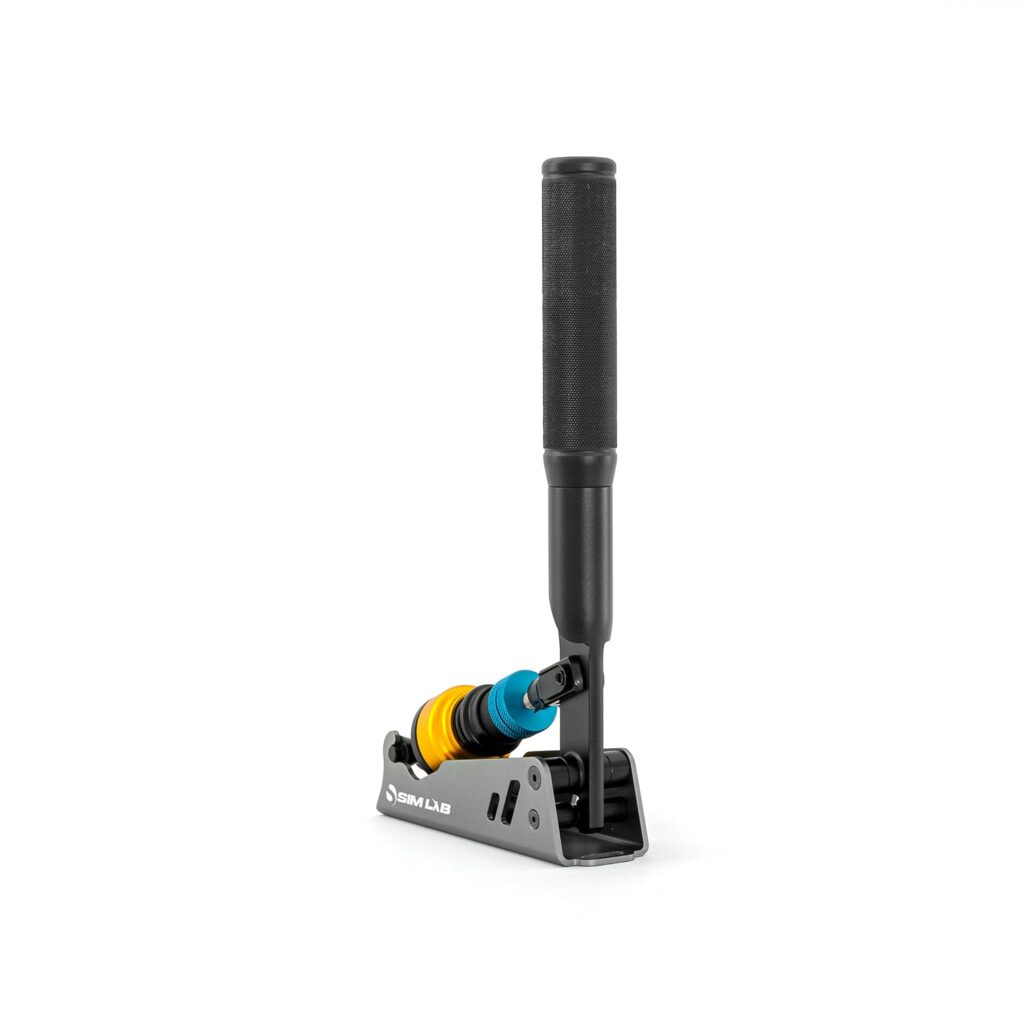
The XB1 measures applied handbrake force with a 150 kg-rated load cell instead of relying only on lever position. Its aluminium construction combines a two-stage damper with elastomers to adjust the mechanical response. The design is intended for progressive drift and rally inputs; confirm the mounting position and complete connection requirements in the selected cockpit.
Sim-Lab GRID MPX V2 Formula Steering Wheel
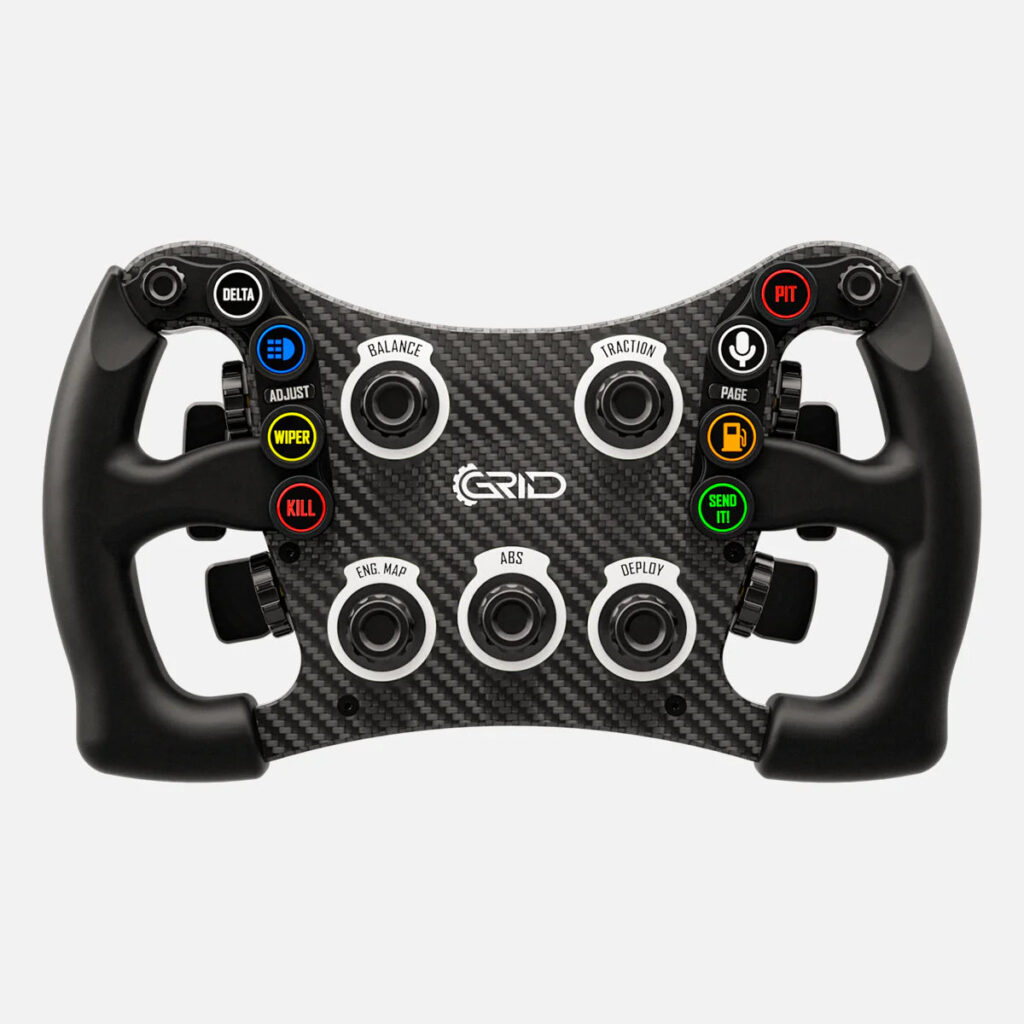
The MPX V2 combines a 5 mm carbon-fibre face with a CNC-machined 6061 aluminium chassis and 87 RGB LEDs. Its screen-free control layout includes magnetic shifters, dual clutches, nine ELMA encoders, eight APEM buttons and two seven-position selectors. RaceDirector handles configuration, while the appropriate quick release for the selected wheelbase is required separately.
Sim-Lab DDS39 TorqueSync Direct Drive Wheelbase
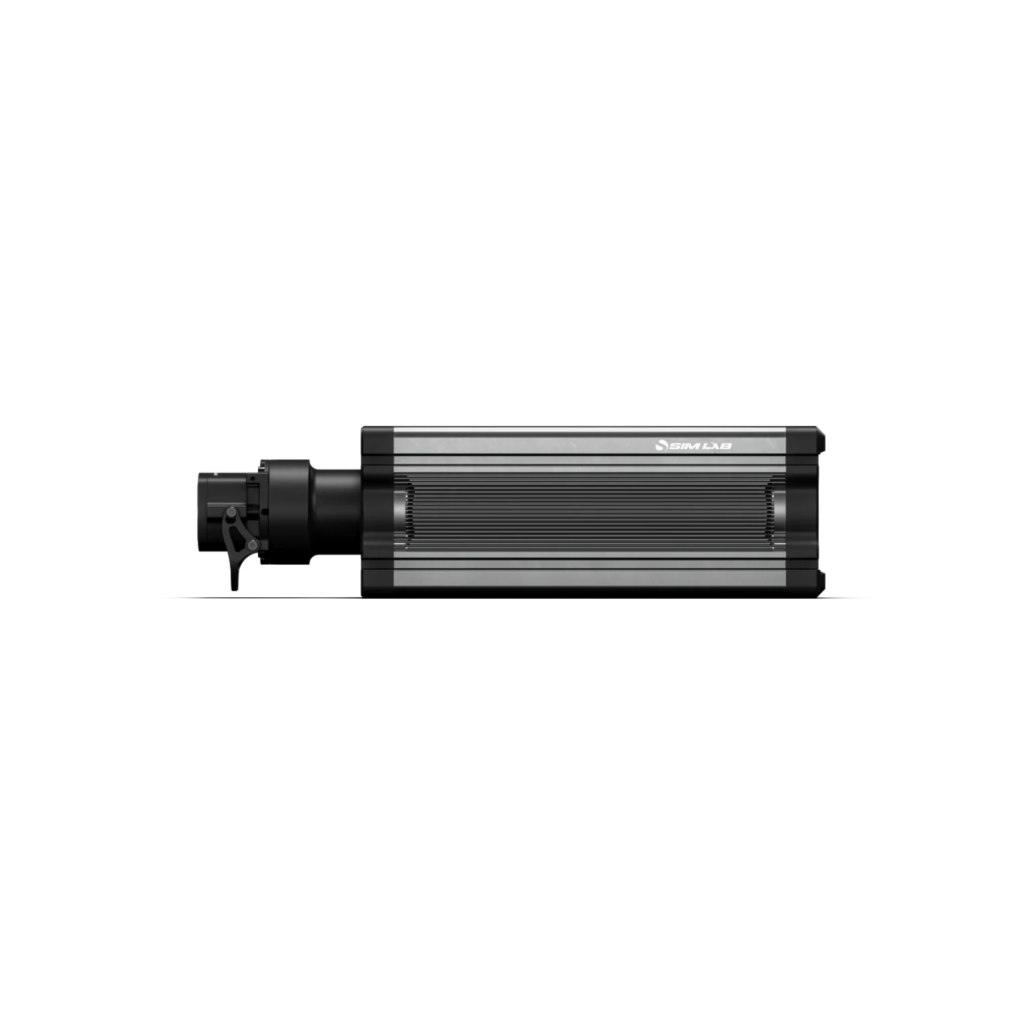
The DDS39 is a high-torque direct-drive base specified for 39 Nm, with a 350 V industrial architecture and a control loop above 100 kHz. The design focuses on dynamic torque headroom. Its strength requires an extremely rigid cockpit and appropriately configured force limits rather than treating maximum output as the normal operating setting.
Sim-Lab DDS26 TorqueSync Direct Drive Wheelbase
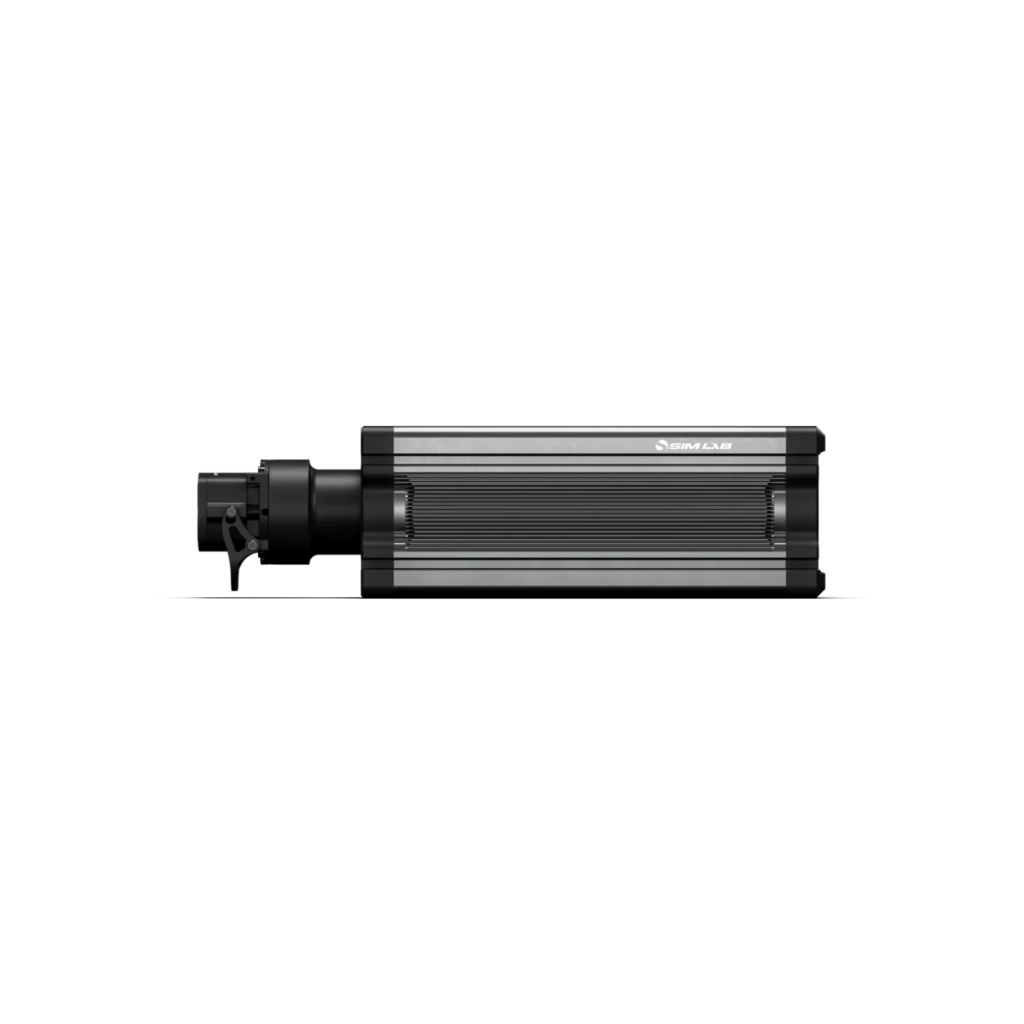
The DDS26 TorqueSync uses an industrial servo platform developed with SOLO Motorcontrollers. The source describes a sustained-torque design with an internal 350 V bus and a control loop operating above 100 kHz. Motor, electronics, power supply and control were developed as one system, intended to retain force-feedback detail as steering speed and load increase.
Sim-Lab GTSL Pro GT Steering Wheel
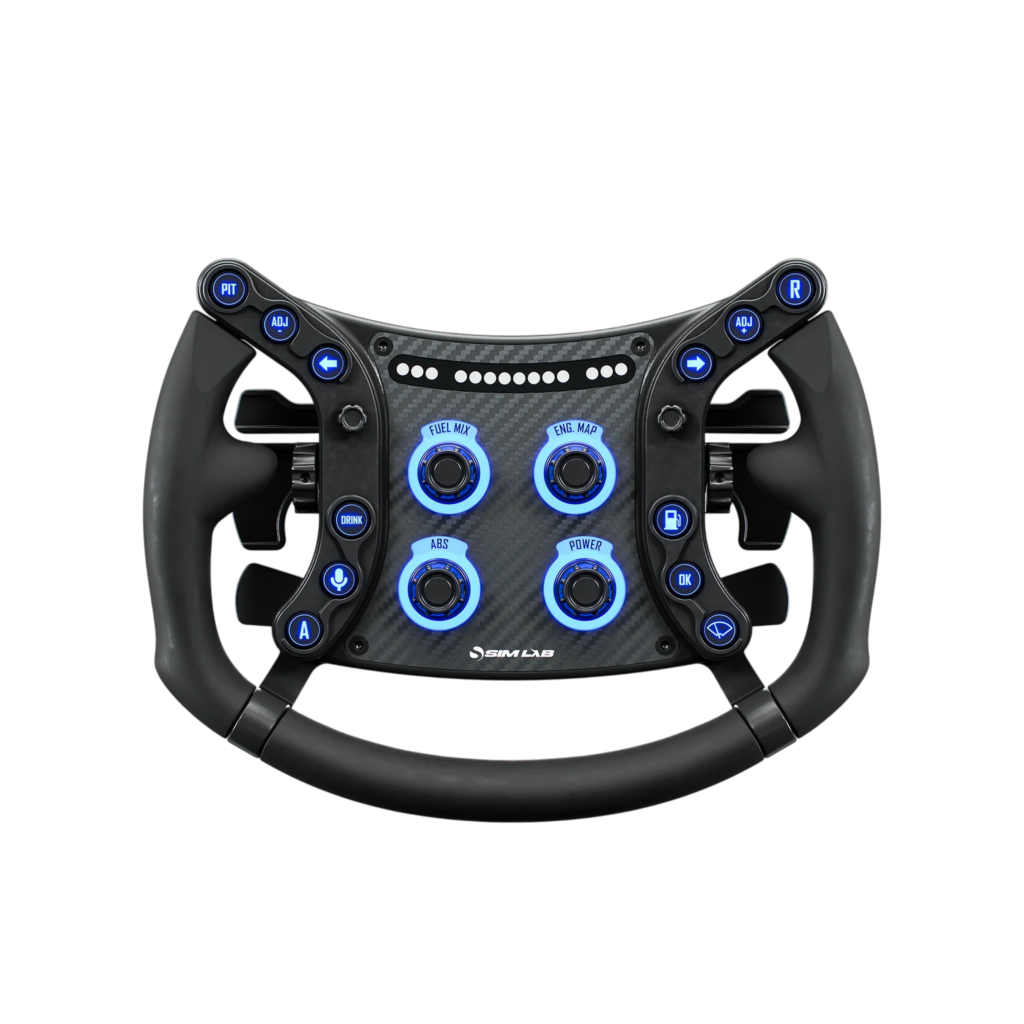
The PC-only GTSL Pro uses an aluminium body and carbon-fibre front, with an inverted D shape that provides leg clearance. Its controls include an RPM bar and dual clutch, while RaceDirector and SimHub handle lighting and telemetry configuration. A compatible quick release is purchased separately; Fanatec installations additionally require the appropriate Podium Hub or Wheel Hub.
Sim-Lab P1X Ultimate Cockpit
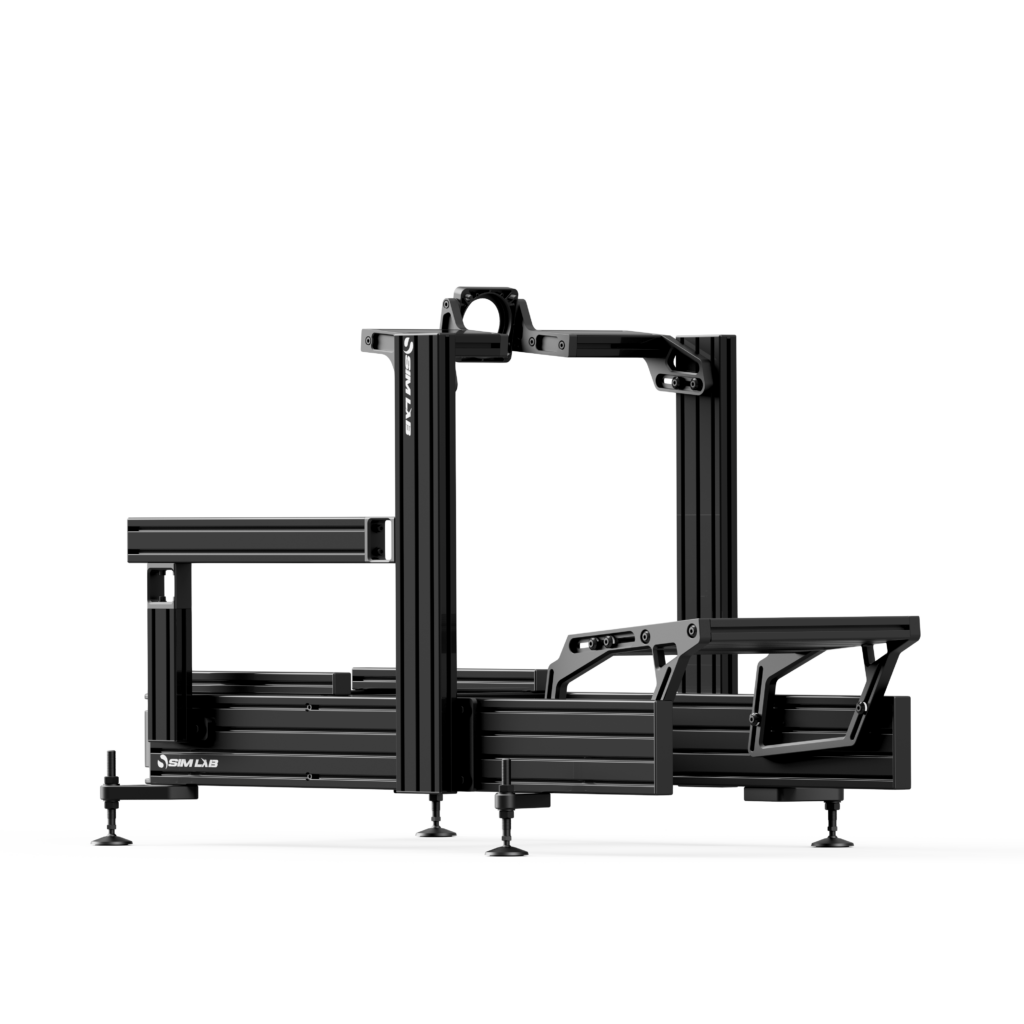
The P1X Ultimate returns to straight uprights while refining the mounting plates and attachment points of the P1X platform. This geometry provides additional usable profile space for wheelbase adjustment, dashboards and button boxes. The chassis retains the P1X dimensions, with more mounting holes and modular attachment options intended to simplify assembly and later accessory placement.
Sim-Lab XP1 Load-Cell Pedals
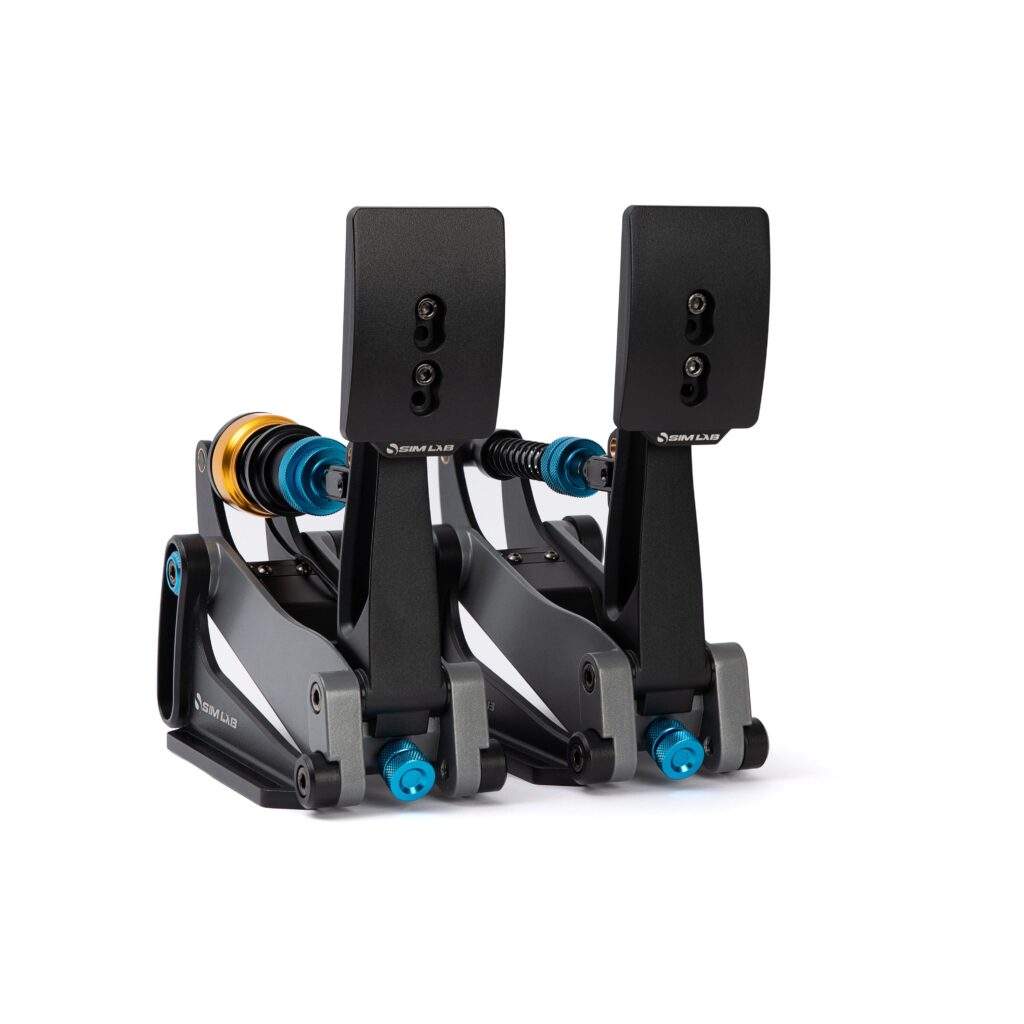
The XP1 combines CNC-machined aluminium, steel and bearings in an all-metal pedal assembly. Its brake uses a 200 kg load cell, with up to 100 kg of effective pedal pressure stated in the source. Throttle and clutch use contactless Hall sensors, while mechanical adjustments tailor the pedal position and brake response.
Sim-Lab GT1 EVO Aluminium Cockpit
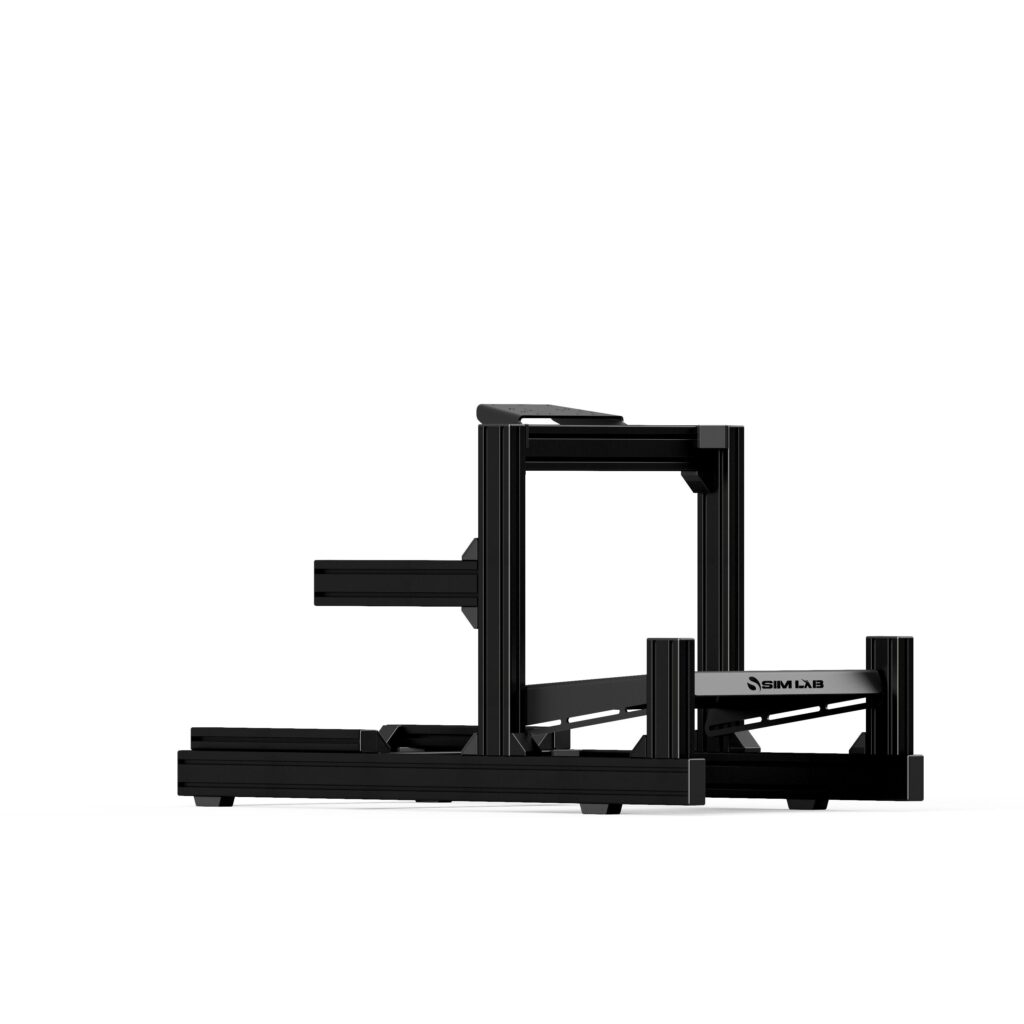
The GT1 EVO is Sim-Lab’s modular entry-level aluminium-profile cockpit, offering an adjustable foundation for a direct drive setup. The listed package includes the frame, adjustable pedal platform, wheel deck, side support, fasteners and rubber feet. Seat, sliders and monitor mounting depend on the selected configuration, so these should be planned alongside the choice of bucket or reclining seat.